How Well Do You Know Facebook?
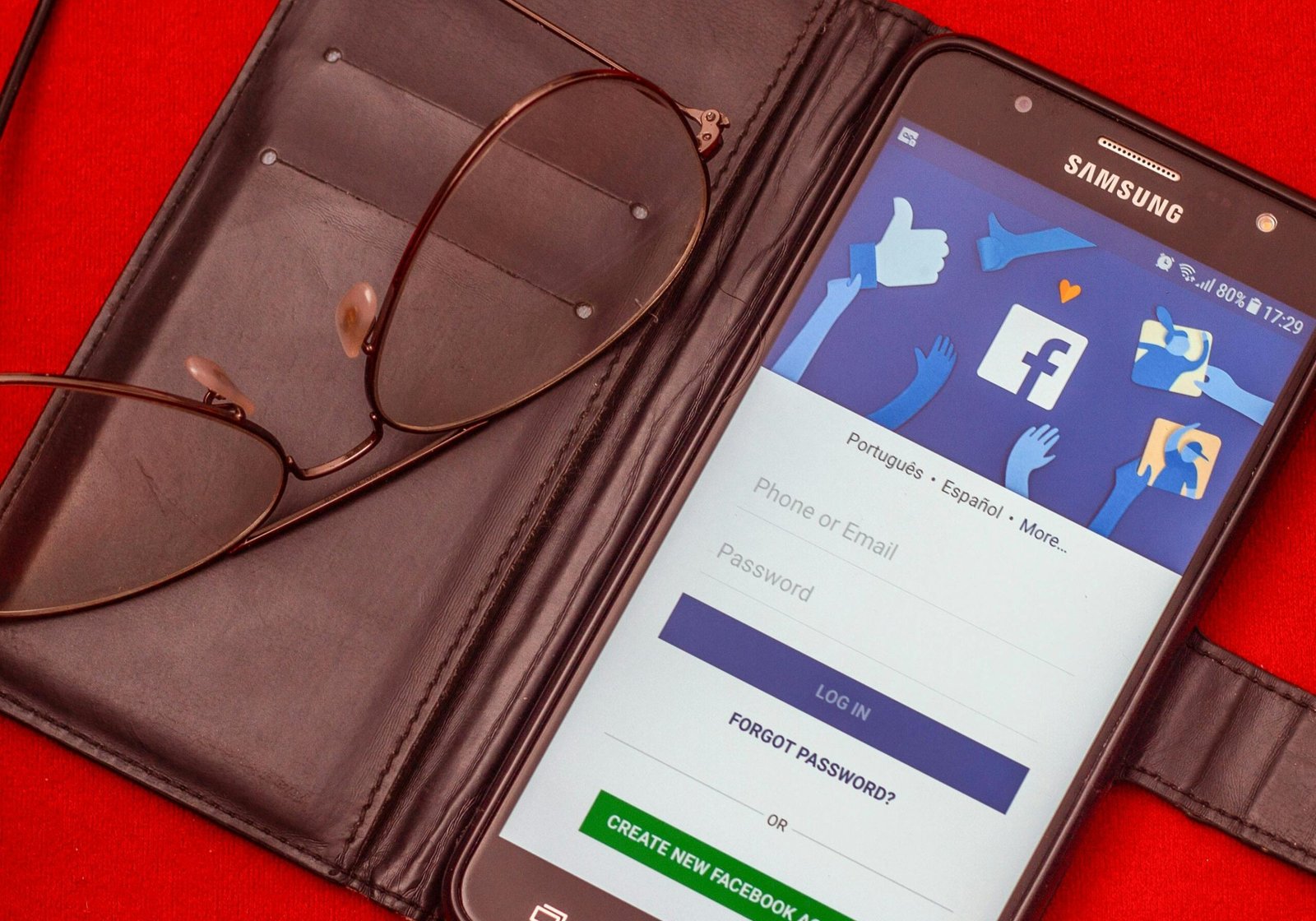
I’ve been on Facebook since I was about fifteen. Which, now that I think about it, probably wasn’t legal given the age limit is supposed to be thirteen — but nobody was checking. My first profile photo was genuinely terrible. I had it set to a cartoon character for about two years because I thought that was cooler than using an actual photo of myself. Clearly I was very online and also very wrong.
But that’s the thing. Most of us just fell into Facebook without thinking too hard about it. It was just there. Your friends were on it, then your older sister, then somehow your nan, and by that point it was too embedded in daily life to really question. You stopped noticing it the same way you stop noticing the furniture in your own house.
So here’s a question — how much do you actually know about it?
Not how to use it. How to use it is easy. I mean the actual story. The weird bits. The money. The decisions that turned a university project into something that now has more monthly active users than the entire population of China and America put together. Because most people, if you pressed them, couldn’t tell you much beyond “Zuckerberg made it at Harvard.” Which is true, but it’s about the same as saying the Titanic was a boat.
He was nineteen. That’s the part that doesn’t get old no matter how many times you hear it. Nineteen, socially awkward by most accounts, and the thing he built in his dorm room is now worth over a trillion dollars and has been blamed — fairly or not — for influencing elections, accelerating misinformation, and doing a number on teenage mental health. Not bad for a uni project. Terrible in almost every other sense.
The first thing he actually launched wasn’t even Facebook. It was called Facemash — a site where Harvard students could rate each other’s photos side by side. The university shut it down within days. You can see the DNA of it though, that same compulsive comparison mechanic, in almost everything Facebook eventually became. The Like button. The follower counts. The way your eye is always drawn to the number next to the notification bell.
Speaking of the Like button — it nearly wasn’t called that. The team went back and forth for months on whether to call it “Awesome” instead. I think about that sometimes. A whole generation of people awesoming their friends’ lunch photos. History pivoted on that decision and nobody really talks about it.
The money side of it is where it gets genuinely strange. Facebook is free. It always has been. And yet Meta — the parent company since the 2021 rebrand — pulled in somewhere around $130 billion in revenue last year. That gap between “free to use” and “makes incomprehensible amounts of money” is filled entirely by advertising. Targeted advertising. The kind that works because the platform knows an uncomfortable amount about you. Every group you’ve ever joined, every post you lingered on for two seconds too long, every event you clicked “Interested” in at 11pm and then completely forgot about — all of it goes into a profile that gets sold to advertisers in fractions of a second.
It’s not a conspiracy. It’s just the business model, stated plainly in the terms and conditions nobody reads.
The 2021 rebrand to Meta was Zuckerberg’s attempt to get ahead of all that baggage — pivot to the metaverse, VR headsets, digital office spaces where your avatar attends meetings. The rollout was a disaster. The avatars looked like something a PlayStation 2 would be embarrassed by. Meta lost roughly $13 billion on Reality Labs that year alone. The internet mocked it relentlessly for about three weeks and then moved on.
Facebook didn’t care. Three billion people used it the following month.
That’s what I keep coming back to. Every few years something happens — a scandal, a Senate hearing, a mass exodus of teenagers to whatever app is new — and Facebook just absorbs it and carries on. The buy-and-sell groups still hum along. The local community pages still argue about parking. Your birthday still gets thirty-four notifications from people you haven’t spoken to since 2014. It’s not cool. It stopped being cool around 2013. But it’s still there, quietly enormous, doing its thing.
You’ve probably spent years on it. Worth knowing what it actually is.